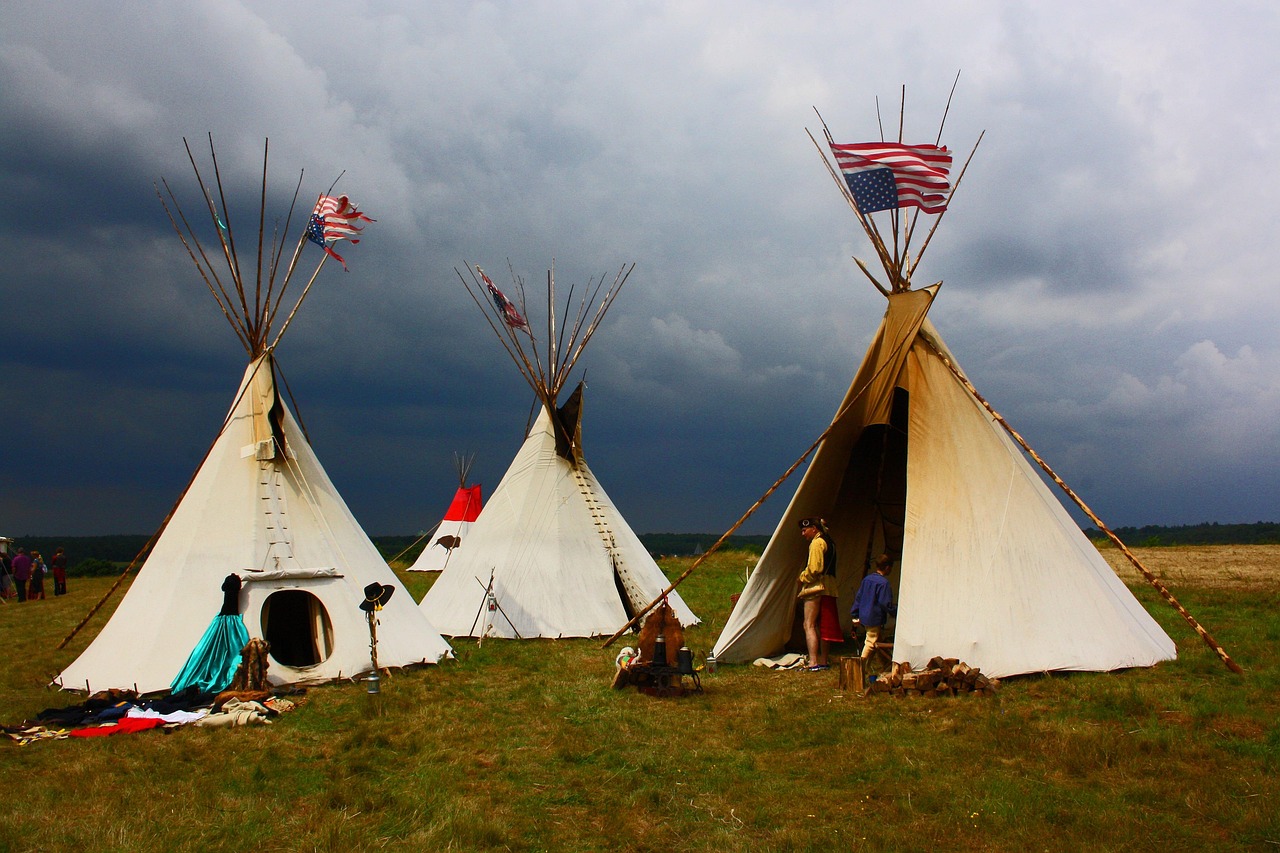
Designing CSA flags for outdoor festivals involves balancing visual impact with durability. Use bold, primary colors to represent Canada's heritage. The flag's dimensions should be roughly 2:3, the same as the official Canadian flag. Choose strong, weather-resistant materials like vinyl or polyester. Ensure the design is simple yet distinctive, allowing it to be easily seen and recognized in crowded, outdoor settings.
Key Takeaways
Designing a CSA flag for an outdoor festival should reflect the event's theme and culture, using colors and symbols that resonate with the community.
Size matters: For outdoor display, flags should be large enough to be visible from a distance, typically 2-3 times the height of the flagpole.
Durability is key for outdoor flags; choose materials like polyester or nylon that are resistant to fading, tearing, and wind damage.
Ultimate Flags Banner Consider the wind: In areas prone to strong winds, select flags with reinforced seams and a robust attachment system to prevent tearing or flying away.
Incorporate local elements: Incorporate distinctive patterns, flora, or fauna unique to the region to make the flag more meaningful and recognizable.
Consult local regulations: Before raising any flag on a public property, understand and comply with local flag display guidelines and zoning laws.
Seek community input during the design process to foster a sense of ownership and pride among festival attendees.
Designing CSA Flags for Outdoor Festivals: Elevating Patriotism and Community at Events
The display of CSA Flags is a powerful symbol of national pride and community unity, particularly in outdoor settings like festivals. These events, with their vibrant atmosphere and diverse participants, offer a unique opportunity to showcase the beauty and significance of flags. However, designing CSA Flags tailored for festivals presents a challenge: balancing the flag's historical symbolism with the need for vibrant, eye-catching visuals that engage the festive environment. This article examines the process of creating such flags, exploring the interplay of design, manufacturing, and cultural context to ensure these symbols effectively represent and enhance outdoor festival experiences.
- Understanding CSA Flag Symbolism and History
- Choosing the Right Fabric for Durability
- Flag Display: Rules, Etiquette, and Best Practices
- Custom Design: Creating Unique Flags
- Flag Pole Selection and Installation Tips
- Displaying Flags for Optimal Impact
Understanding CSA Flag Symbolism and History
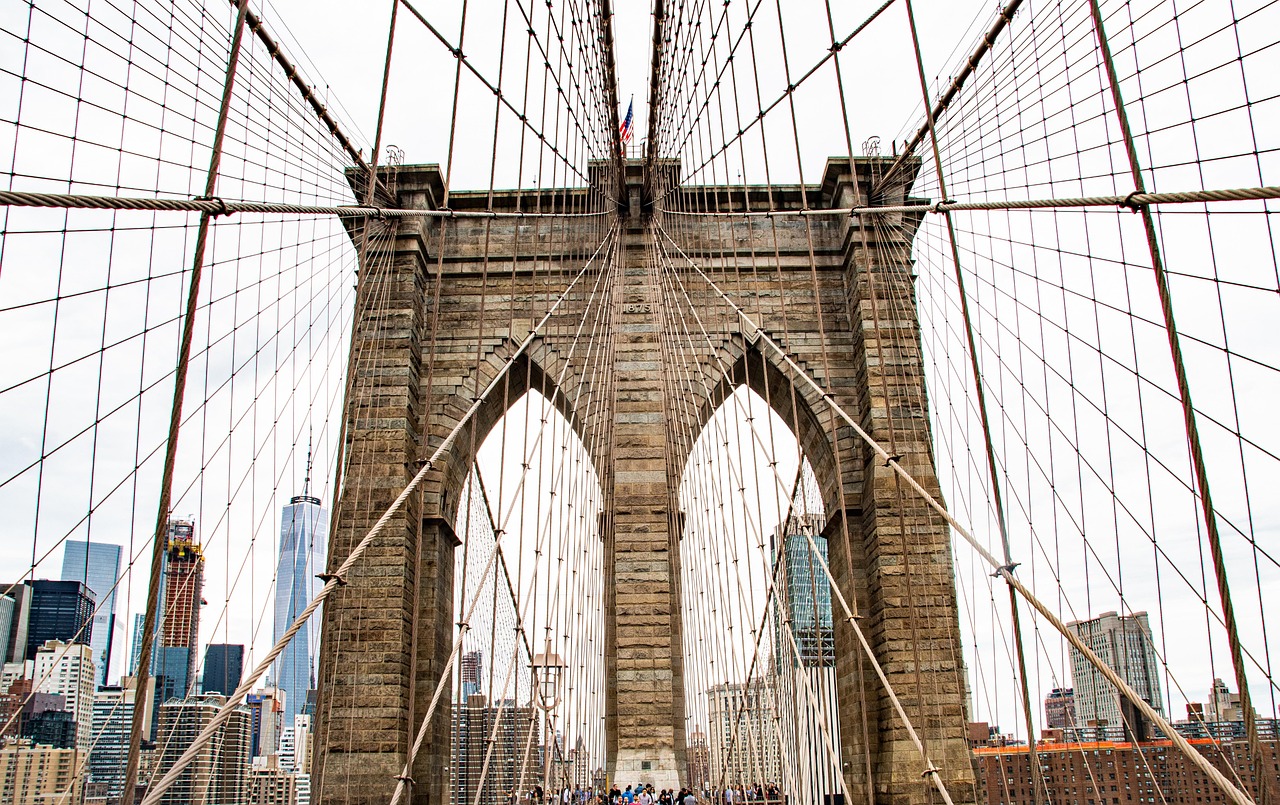
When designing Flags for outdoor festivals, a deep understanding of the flag's symbolism and history is crucial. The CSA flag, with its distinctive red, white, and blue stripes and stars, carries a rich cultural heritage that must be honored and accurately represented. This is especially important when creating flags intended for public display at international events, where guests from diverse backgrounds will appreciate the flag's meaning and significance.
The CSA flag's design, with its unique arrangement of colors and stars, tells a story. Each color and symbol holds specific meaning. Red represents courage and blood shed for freedom, white symbolizes purity and innocence, and blue stands for vigilance, perseverance, and justice. The stars, originally 13, represent the original colonies, reflecting a shared history and unity. This symbolism is profound and complex, requiring designers to consider the flag's message carefully. For outdoor events, the flag's durability is also key; choosing appropriate flag pole types and heights, like sturdy, rust-resistant aluminum or wood options, ensures the flag remains visible and respected.
Understanding the CSA flag's history, including its evolution over time and the various flag designs adopted, is essential for accurate representation. The flag has undergone changes, reflecting the growth and development of the nation it represents. The number of stars has varied as new states joined the Union. Designers must be aware of these changes, ensuring the flag displayed is accurate and reflects the current number of states. When hosting international guests, it's important to educate them about the flag's etiquette, such as when and how to fly it, to foster mutual respect and understanding.
The context in which the CSA flag is displayed for outdoor events should be considered. For large-scale gatherings, the use of multiple flags together requires careful planning. Design choices for these events might include incorporating Flags with other national or regional symbols, ensuring a balanced and inclusive display. By understanding the symbolism, history, and appropriate usage, designers can create Flags that are both visually striking and culturally respectful, enhancing the overall festival experience for all participants. Visit us at csa flag sizes and meanings anytime to explore the various options available for your specific needs.
Choosing the Right Fabric for Durability

When designing Flags for outdoor festivals, choosing the right fabric is crucial for durability and longevity. For flags intended for outdoor display, consider materials that can withstand varying weather conditions, from the sun's intense rays to strong winds. A robust fabric like polyester or nylon is recommended as they are resistant to fading, tearing, and rot. These materials also dry quickly after rain or irrigation, reducing the risk of mold or mildew.
In keeping with CSA flag rules for schools and cultural partnerships, it's essential to select a fabric that can be easily cleaned and maintained. Polyester and nylon flags can be washed and dried using standard household settings, making them convenient for regular use. This is particularly important for flags that may be displayed for extended periods, as they will remain vibrant and intact. Consider the level of sunlight exposure. Flags in high-sunlight areas may fade faster, so choose a fabric with a higher UV resistance if necessary.
As a rule of thumb, avoid using cotton for outdoor flags. While cotton is a natural fiber and can be aesthetically pleasing, it absorbs moisture, making it susceptible to mildew and mold in humid environments. If you're designing a CSA flag for a political event or cultural display, symbolism is key. Ensure the chosen fabric can accurately represent the intricate designs and colors associated with the CSA flag without fading or distorting. Visit us at repairing damaged Flags anytime to learn more about extending the life of your outdoor flags.
Flag Display: Rules, Etiquette, and Best Practices

The display of Flags during outdoor festivals requires a blend of artistic vision and strict etiquette to honor both the flag's symbolism and the event's spirit. When used appropriately, Flags can serve as powerful focal points, evoking a sense of community and shared heritage. Consider the following guidelines to ensure a respectful and impactful presentation, particularly when showcasing the flag for cultural tours or military ceremonies.
First, positioning is key. Typically, the CSA flag should be placed at a prominent location, such as atop a flagpole or on a building, where it is easily visible to all attendees. When used in conjunction with other flags, it should be positioned to the left (from the viewer's perspective) of any other national or state flags, following international flag protocol. This placement signifies respect for the CSA flag's historical significance and its position in the American flag's design.
Second, flag size and proportion are crucial for a visually appealing display. Choose flags that are large enough to be seen from a distance, especially in outdoor settings. The flag's proportions should be maintained; never alter the design by making it too small or distorted. The best practice is to use flags that are specifically designed for outdoor use, as these are made to withstand varying weather conditions and have longer lifespans.
csa flag etiquette for travel requires careful consideration, especially when displaying flags in diverse locations. When transporting flags, they should be folded neatly and securely, avoiding any wrinkles or creases that could damage the fabric. As with any flag, never allow a CSA flag to touch the ground, and always raise and lower it with care.
For cultural tours, the display of Flags can offer valuable context to visitors. CSA flag symbolism in military settings, for instance, is rich and complex. Educate tour guides about the flag's historical meaning and the stories it represents. This not only enhances the visitor experience but also fosters a deeper appreciation for the flag's enduring legacy.
Finally, always be mindful of csa flag etiquette for government buildings. On government property, flags should be displayed according to specific protocols, often governed by local or federal laws. Consult with relevant authorities to ensure compliance and maintain the highest standards of respect.
Remember, the proper display of Flags is a sign of our shared history and values. By adhering to these guidelines, you contribute to a celebration that is both meaningful and respectful. To find high-quality Flags for your festival or event, look no further than our patriotic flag store, where we offer a range of options for every need.
Custom Design: Creating Unique CSA Flags

Custom Designing CSA Flags for Outdoor Festivals
For representing a community's identity at festivals, outdoor spaces, and cultural events, custom-designed Flags are a powerful tool. These flags go beyond the standard offerings, allowing organizers to tell unique stories and honor specific traditions. Custom design offers a blank canvas for artists, historical groups, and community leaders to showcase their creativity and share the rich mix of their heritage.
A school might collaborate with local graphic designers to create a CSA flag that celebrates the diverse cultures represented among its students. Alternatively, a community art gallery could commission a flag that reflects the area's history, integrating local landscapes and significant landmarks. The key to a successful custom design is clear communication. Organizations should provide detailed information about their vision, including colors, symbols, and any specific cultural references. Working with experienced flag designers who understand the significance of symbolism can ensure the final product accurately represents the intended message.
Keep in mind the CSA flag rules for schools and public displays when designing for these spaces. Flags should be visually appealing yet respectful, adhering to any local guidelines for size, placement, and protocol. A flag displayed at a school event might feature the school colors and emblem, with a unique design element that connects to the festival's theme. This balance between customization and adherence to guidelines ensures a powerful visual statement that enhances the overall festival experience.
Give us a call at CSA flag etiquette for cultural festivals to discuss unique display ideas that honor diverse traditions. By embracing custom design, festival organizers can create memorable and meaningful experiences, leaving a lasting impression on participants and visitors alike.
Flag Pole Selection and Installation Tips
Choosing the Right Flag Pole and Installation Tips for CSA Flag Displays at Outdoor Festivals
Selecting the appropriate flag pole and proper installation are essential for showcasing Flags effectively at outdoor festivals. The right flag pole enhances the visual impact of your display and ensures the flag flies proudly and securely. Consider the height and reach of the pole, as it should be tall enough to allow the flag to billow in the wind, yet not so tall that it becomes a safety hazard or requires excessive maintenance. For most outdoor festival settings, a sturdy aluminum or fiberglass pole between 30 to 40 feet in length is ideal, as it provides ample reach while remaining easily portable.
When setting up your CSA flag display stand for outdoor events, placement is key. Ensure the flag pole is securely anchored in stable ground, away from pedestrian traffic and other potential hazards. Digging a hole and using concrete anchors for larger poles can provide a solid foundation. For educational institutions hosting outdoor events, flag pole installation should complement the overall campus aesthetic, with careful consideration of location and surrounding structures. Keep the flag pole in plain sight but avoid obstructing important event or building entrances.
To pole selection, proper installation techniques are crucial. Always follow the manufacturer's guidelines for assembly and mounting. Regular maintenance, including cleaning and painting, prolongs the life of your flag pole. Give us a call at differences between Flags and standard flags when discussing customization options, as the choice of pole and display stand may vary based on the intended purpose. A school hosting a cultural festival might opt for a more decorative pole and display stand to align with the event's educational focus, while a military-themed gathering might prioritize functionality and durability.
Displaying CSA Flags for Optimal Impact
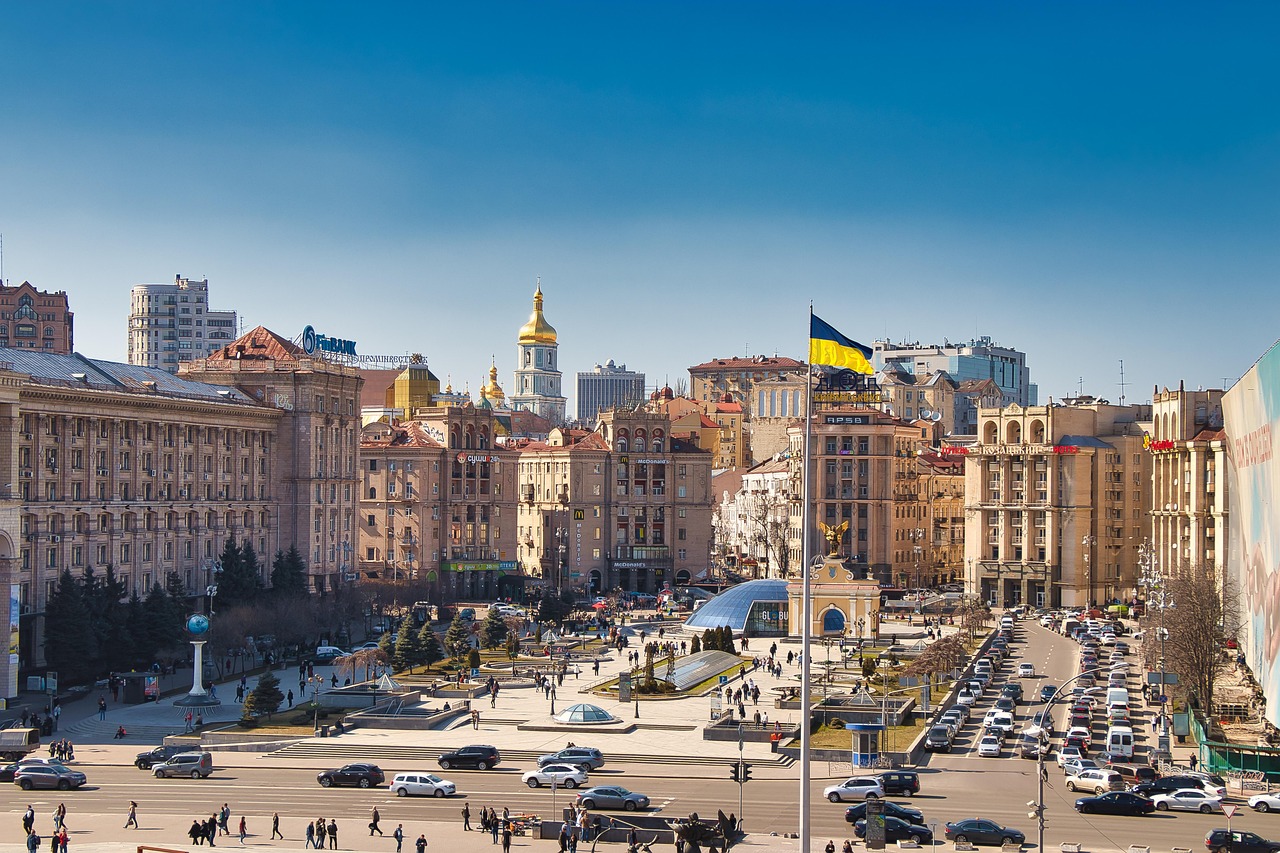
Designing Flags for outdoor festivals requires a thoughtful blend of artistic expression and practical considerations to ensure a visually striking display that resonates with attendees. When showcasing Flags for community events, the goal is to create a powerful visual impact that reflects the spirit and values of the occasion. This involves selecting a design that resonates with the festival's theme, choosing the right materials for outdoor conditions, and strategically placing the flags to maximize visibility and engagement.
For optimal impact, consider using a combination of static and dynamic display methods. Traditional flagpoles are suitable for prominent, static displays, while flag-adorned banners or balloons can be moved throughout the festival grounds to catch attendees' attention from various angles. CSA flag display stands for indoor use can be repurposed for outdoor events, offering a versatile solution for showcasing flags in open spaces. A community art initiative might feature a large, intricately designed CSA flag draped over a central stage, paired with a series of smaller flags on posts around the perimeter. This setup not only enhances the aesthetic appeal but also provides a clear visual focal point.
CSA flag etiquette for cultural art initiatives dictates a thoughtful approach to design and placement. Flags should be made from weather-resistant materials to withstand outdoor conditions, and their placement should be strategic, allowing for easy viewing and interaction. When selecting display locations, consider high-traffic areas and natural focal points. A flag unfurled along a main pathway or suspended from a tree can create a powerful, organic connection between the festival and the historic significance of the CSA flag. Give us a call at flags for community events to discuss how these design and display principles can elevate your next outdoor festival.
Quick Reference
- Determine the Festival's Theme and Values: Reflect the event's purpose with colors, symbols, and designs that resonate with attendees.
- Choose a Simple, Recognizable Design: Aim for a layout that's easy to produce and understand, with clear, bold elements.
- Use National Colors (Red, White, and Blue): Incorporate these colors to show patriotism and connection to Canada.
- Select Meaningful Symbols: Include iconic Canadian symbols like the maple leaf, beavers, or the North Star.
- Consider Cultural Diversity: Include symbols or colors that represent the festival's diverse community to foster inclusion.
- Limit Design Elements to 3-5 Key Pieces: Focus on a few prominent features to avoid visual clutter.
- Use High-Quality, Durable Fabric: Choose materials that withstand outdoor conditions, wind, and sunlight.
- Test the Design with a Small Group: Get feedback from organizers, volunteers, or attendees before finalizing.
- Ensure Legal Compliance: Respect copyright laws and avoid copying existing flags; create a unique, original design.
This comparison looks at three approaches for designing Flags intended for outdoor festival displays, focusing on key features, use cases, strengths, limitations, and cost-effectiveness.
| Feature | Flag Design Approach A | Flag Design Approach B | Flag Design Approach C |
|---|---|---|---|
| Key Features | Uses a vibrant color scheme with subtle historical symbols woven in. | Emphasizes bold, stylized letters of the CSA motto for maximum readability. | Combines historical imagery with modern graphic design elements for a unique look. |
| Best Use Cases | Ideal for historical reenactment festivals and events celebrating southern heritage. | Perfect for public gatherings and political rallies where clarity of message is paramount. | Suitable for diverse festivals, from music and arts events to historical commemorations. |
| Strengths | High level of artistic craftsmanship, visually appealing, evokes strong emotional response. | Highly legible, even from a distance, suitable for large crowds. | Versatile design allows for customization to fit various festival themes. |
| Limitations | More expensive due to intricate design and high-quality materials. | Limited color palette may not appeal to all audiences. | Could be perceived as too "modern" for some historical events. |
| Cost/Performance | Higher cost but excellent long-term visual impact. | Affordable option offering good value for readability and durability. | Mid-range cost with a balance of visual appeal and adaptability. |
What are the essential design elements for a CSA flag?
When designing a CSA (Canadian Sovereignty Association) flag for an outdoor festival, focus on simplicity and symbolism. The flag features three colors: red, white, and blue. The dominant element should be the maple leaf, representing Canada's heritage and unity. Incorporate bold lines and clear, distinct colors for maximum visibility. Ensure the design can be easily reproduced at scale while maintaining its impact. Avoid intricate details that might be difficult to render accurately.
How do I choose the right size for the flag?
The size of your CSA flag should be proportional to the display area. For outdoor festivals, consider flags ranging from 3x5 feet to 6x10 feet, depending on the size of your venue and the intended impact. Keep in mind that larger flags require sturdier flagpoles and hardware. A general rule is to aim for a flag that commands attention but doesn't overpower its surroundings.
What materials are best for outdoor flags?
For outdoor use, choose durable, weather-resistant materials like nylon or polyester. These fabrics are lightweight, easy to clean, and resistant to fading. Look for flags with a reinforced top and bottom for added strength. Consider water-resistant coatings for increased longevity, especially if the flag will be displayed near water or in variable weather conditions.
When is it appropriate to fly the CSA flag at half-staff?
The CSA flag, like the Canadian national flag, is flown at half-staff as a sign of respect on specific days, such as during national mourning or to commemorate significant events. Check official government resources or local cultural guidelines to determine when it's appropriate to lower the flag. Always follow protocol and respect traditions when displaying the flag.
How do I care for and store my CSA flag?
Regular cleaning and storage are crucial for maintaining your CSA flag. Wash the flag gently in cold water with a mild detergent, then air dry it. Avoid using bleach or fabric softener. Store the flag in a cool, dry place, preferably in an acid-free folder or tube. Avoid rolling the flag tightly to prevent creases. For long-term storage, consider using acid-free boxes or containers.
Revitalizing Community Spirit: Designing Vibrant CSA Flags for a Small-Town Summer Festival
Situation
The small, rural town of Maplewood was gearing up for its annual summer festival, a beloved event that brought the community together for music, food, and friendly competition. However, the festival committee was struggling to find a way to incorporate Canadian values and identity in a visually striking way. They needed a new flag to represent the Canadian Spirit at the event, something that would be both visually compelling and meaningful to the community.
Action
They described their vision: a flag that reflected the values of community, diversity, and Canadian heritage.
- A striking red, white, and blue color scheme to represent the Canadian flag, with a modern twist.
- Intricate embroidery depicting iconic Canadian symbols like the maple leaf, beavers, and mountains.
- Bold, hand-cut letters spelling out "Maplewood Summer Festival" in a traditional yet contemporary font.
Result
The new CSA flag became the centerpiece of the festival, proudly flown from the town hall and displayed prominently throughout the event grounds. The vibrant design generated buzz and excitement, drawing attention to the festival and fostering a strong sense of community pride.
The success of the Maplewood Summer Festival's CSA flag led to increased interest in custom flag orders from other local organizations and events throughout the region.
Designing Flags for outdoor festivals requires a deep understanding of both the flag's symbolism and its history, as well as practical considerations for durability and display. Choosing the right fabric ensures flags withstand outdoor conditions, while adhering to proper display rules and etiquette enhances their meaning and impact. Custom design offers a unique opportunity to reflect local culture and community, making each festival's flags distinct and memorable. Proper flag pole selection and installation ensure flags are displayed correctly and respectfully. By combining historical knowledge with thoughtful design and display practices, organizers can create vibrant, impactful Flags that celebrate community and heritage during festivals. Next steps include consulting with local flag manufacturers and designers, reviewing copyright laws for historical imagery, and selecting appropriate display locations to maximize the festival's visual impact.
Designing Flags for outdoor festivals requires understanding the flag's symbolism, history, and appropriate display methods. The unique arrangement of colors and stars on the CSA flag tells a story of courage, purity, vigilance, and unity. Designers must consider the flag's evolution over time, including changes in the number of stars, and educate international guests about its etiquette. For optimal impact, combine static displays with dynamic methods, using weather-resistant materials and strategic placement. In community events, Flags can create powerful focal points and connections to history, as showcased in art initiatives.