Key Takeaways
Here are 7 key takeaways for personalizing CSA flags for special events:
- Tailor flag designs to match event themes, colors, and organizations' branding for maximum impact.
- Consider the setting: Indoor events may require fabric flags, while outdoor events might be best suited for durable, wind-resistant materials.
- Size matters: Ensure flags are large enough to be visible from a distance, especially for outdoor events and large crowds.
- Symbolism counts: Flags represent diversity and inclusion; understand their meaning to effectively convey your event's message.
- Quality construction guarantees longevity: Invest in high-quality materials and printing methods for flags meant for long-term use.
- Think about display: Plan where and how flags will be hung or mounted for optimal visibility and aesthetic appeal.
- Engage local communities: Personalized Flags can foster a sense of belonging and encourage participation in special events.
Personalizing Flags for special events involves selecting the right fabric and size, and incorporating unique designs. From outdoor festivals to indoor displays, custom flags enhance community events, promoting cultural heritage and engagement. Choose durable materials, consider flag pole selection, and explore printing options for a distinctive event experience.
In an era where events demand unique visual identities, personalizing Flags has emerged as a powerful tool for community engagement and cultural expression. These flags, rich in symbolism and history, transcend their traditional roles as symbols of identity and become dynamic elements in the storytelling of special occasions. This guide examines the art of customizing Flags for various events, exploring the design process, materials, and cultural considerations.
From community festivals to international exhibitions, personalized Flags serve as powerful communication tools, weaving together the threads of identity, heritage, and community spirit. By understanding the intricacies of flag design and production, event planners, community leaders, and artists can create flags that resonate with their specific themes and audiences, enhancing the overall event experience.
- Understanding Flags: Symbols & Meanings
- Customization Strategies: Design & Print Options
- Event-Specific Flag Display: Best Practices & Etiquette
- Flag Fabric & Durability: Choosing the Right Material
- International Events: Cultural Considerations & Display
Understanding CSA Flags: Symbols & Meanings

Flags, or Canadian Service flags, carry rich symbolism that goes beyond their primary function as visual markers. Each flag design is a sign of Canada's diverse communities and shared history. When personalizing Flags for special events, understanding these symbols is crucial. They can transform a simple display into a meaningful representation of the occasion and the nation.
The CSA flag is composed of three parts, each with its own significance. The red and white colors are taken from the Canadian coat of arms, symbolizing the nation's heritage and pride. The red represents bravery, sacrifice, and vitality, while the white signifies purity and peace. The three maple leaves in the center form a stylized representation of the nation's most iconic symbol, signifying Canada's natural beauty and abundance. These leaves also evoke the country's commitment to environmental stewardship.
Community groups and event planners can enhance the impact of Flags by incorporating these symbols into their designs. A flag for a community art festival might feature a vibrant maple leaf against a white background, with artistic brushstrokes symbolizing the creative spirit of the event. Alternatively, a flag for a military commemoration could include a bold red and white checkered pattern, paying homage to the sacrifices of Canadian service members. Personalizing flags in this way not only makes them more visually appealing but also creates a powerful connection between the event and the nation it represents.
The depth of CSA flag symbolism offers a unique opportunity for creative expression while celebrating Canada's rich cultural mix. By understanding and leveraging these meanings, event organizers can design flags that transcend mere decoration, becoming powerful tools for engagement and reflection.
Customization Strategies: Design & Print Options
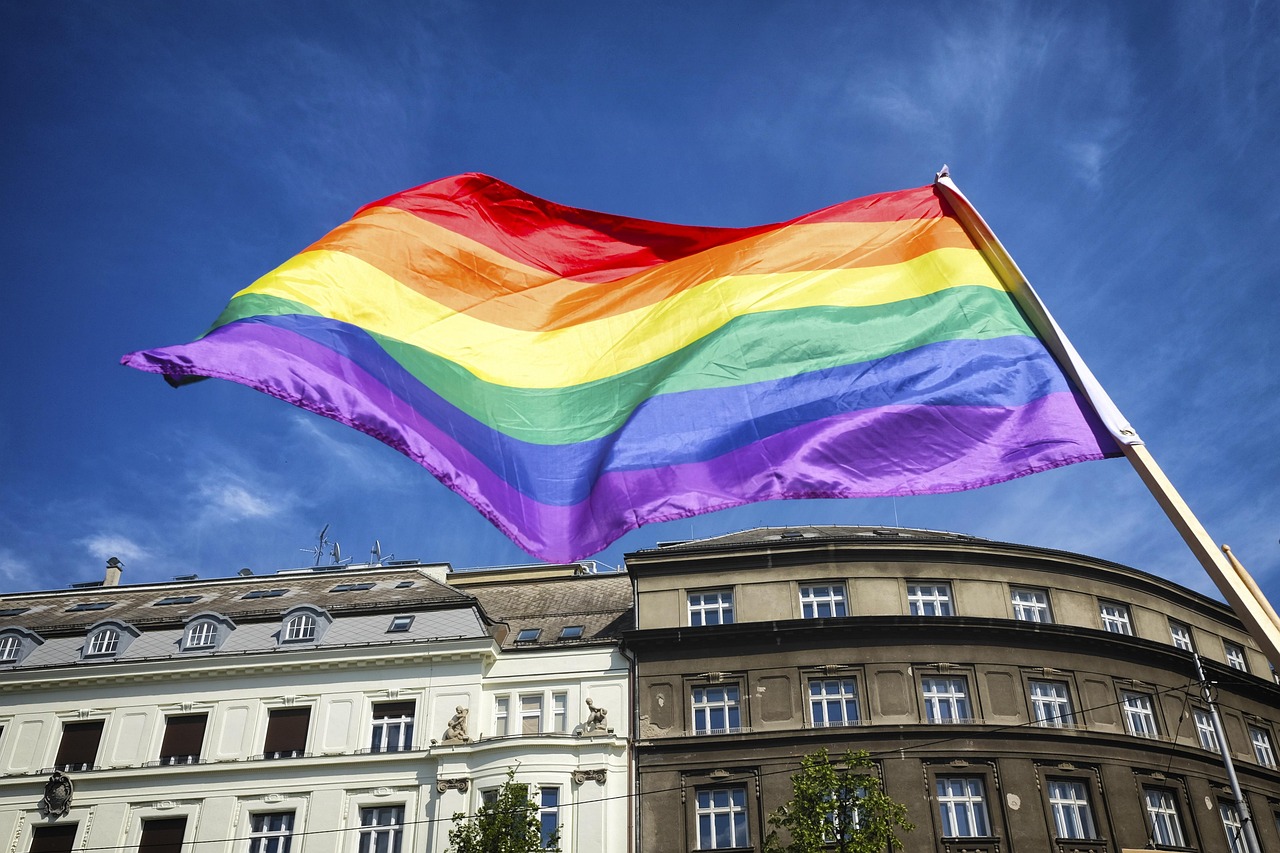
Personalizing CSA Flags for Special Events: Customization Strategies and Design Options
When planning a special event, whether it's a cultural festival, community gathering, or international exhibition, the CSA flag can be a powerful tool for expression and identity. Customization is key to making these flags truly representative of your event, community, or organization. This section explores the design and print options available to create unique and visually striking Flags tailored to your specific needs.
The process begins with creative design. Event organizers, graphic designers, and community groups can work together to conceptualize a flag that encapsulates the essence of their cause or celebration. This might involve incorporating cultural symbols, historical references, or event-specific motifs. A community art exhibition could feature a flag with a vibrant palette, showcasing the diverse artistic styles of the participating artists. Digital design software is a valuable tool in this phase, allowing for the manipulation of colors, patterns, and text to create a visually appealing flag.
Once the design is finalized, the next step is printing. There are several options available, each with its advantages. For smaller events or promotional purposes, screen printing is a cost-effective choice, offering vibrant colors and durability. This method is suitable for flags with simple designs and solid color fields. On the other hand, for more intricate designs, digital flag printing is recommended. It allows for a wide range of colors, fine detail, and the ability to print on various materials like vinyl or polyester. Custom flag manufacturers often provide this service, ensuring high-quality prints. Some businesses offer flag printing on metal, perfect for outdoor displays or durable, long-term events.
The choice of fabric is another crucial decision. Polyester and vinyl are popular for outdoor use due to their weather resistance. For indoor events or displays, materials like paper or fabric (cotton or linen) can be used, offering a softer aesthetic. The fabric selection should align with the intended use and the event's overall theme.
Event-Specific Flag Display: Best Practices & Etiquette
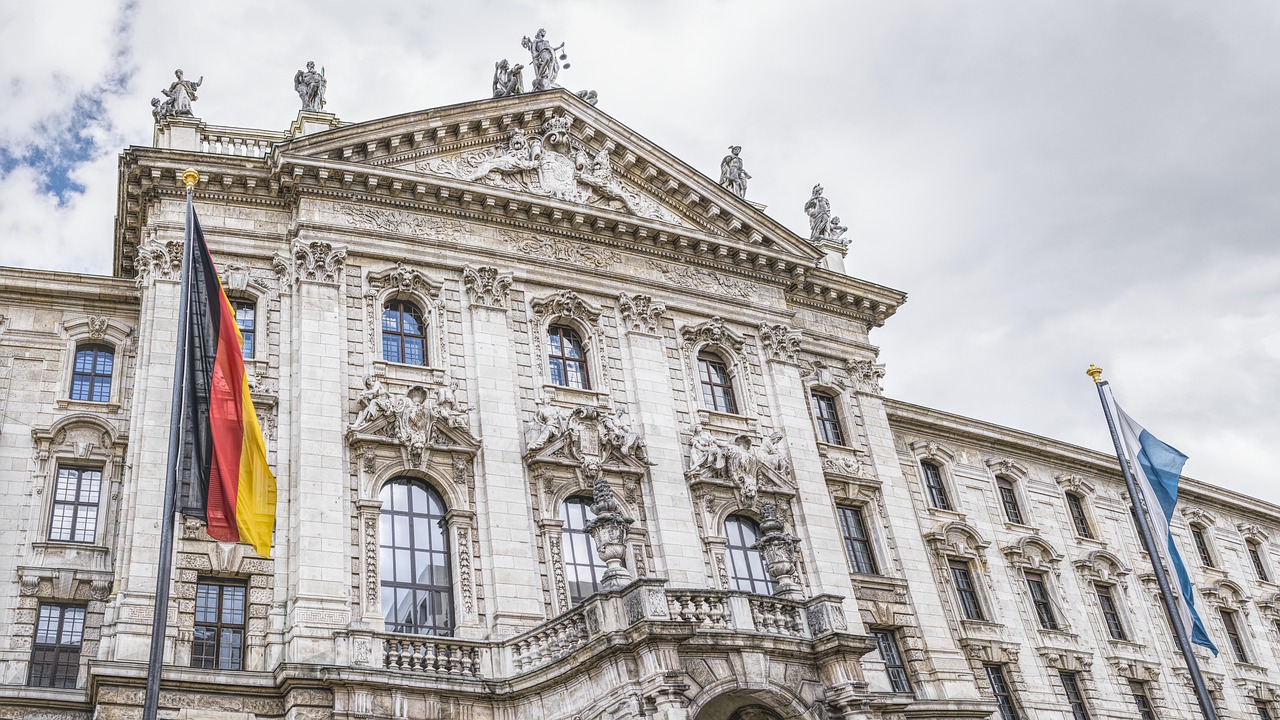
Personalizing Canadian-Style (CSA) flags for special events goes beyond simply changing the colors or adding a logo. A flag flown at a community festival, a school sports day, or a cultural celebration should reflect the spirit and purpose of the event, creating a visual impact that resonates with participants and spectators. To achieve this, organizers should consider the following best practices for event-specific flag display.
First, understand the event. Is it a joyous celebration like Canada Day or a solemn remembrance like Armistice Day? Different occasions warrant different flag designs and arrangements. A festival might feature a vibrant, multi-colored flag with a playful graphic, while a memorial service would likely use more subdued colors and a design focused on respect and remembrance. Incorporating the event's theme, colors, and symbolism into the flag design ensures it feels fitting and meaningful.
Next, prioritize visibility and safety. Ensure the flag is displayed in a prominent location where it can be easily seen. This might mean positioning it atop a tall pole, hanging it from a building, or using lights to illuminate it at night. Safety is paramount, too. Follow local regulations regarding flagpole heights and installation, and use sturdy flag materials and hardware to prevent damage or accidents.
Proper flag etiquette is crucial, even for special events. The CSA flag, like all national flags, deserves respect. It should be flown at the appropriate height, not draped or folded casually. When the event is over, take down the flag with care and store it properly, preferably in its original packaging. Some events may have specific etiquette guidelines, so consult with local historical societies, cultural groups, or veterans' organizations for advice.
Finally, document the display. Take photos or videos of the event-specific flag display to share with the community and future event organizers. This not only helps preserve the memory of the occasion but also provides inspiration and guidance for future celebrations. Remember to credit the designers, manufacturers, and any organizations that contributed to the creation and display of the flag.
Flag Fabric & Durability: Choosing the Right Material

Choosing the Right Flag Fabric for Long-Lasting Impact
For special events, the flag you choose isn't just about aesthetics; it's about creating a lasting impression. Flags, with their rich symbolism and vibrant colors, demand a fabric that can withstand the rigors of outdoor use, frequent handling, and potentially harsh weather conditions. High-quality flag fabric is the unsung hero behind a successful event, ensuring your Flags look their best and fly proudly for the duration.
When selecting a flag fabric, consider the following:
-
Material: Nylon is a popular choice for outdoor flags due to its lightweight strength, durability, and resistance to fading. Polyester, another common option, offers excellent color vibrancy and is often more affordable. For indoor displays or special occasions requiring a more luxurious feel, silk or cotton fabrics can be stunning, but they require more care.
-
Finishes: Some fabrics come pre-treated with UV inhibitors to protect against fading, while others may require additional coating for water resistance or fire safety.
-
Size and Use: The size of your flag and its intended use will dictate the fabric's thickness and strength. Larger flags, especially those flown outdoors, need a stronger, heavier fabric to maintain their shape.
Understanding these factors will help ensure your Flags not only look spectacular but also withstand the test of time, leaving a lasting impression on your audience.
International Events: Cultural Considerations & Display
When displaying Flags at international events, a nuanced understanding of cultural symbolism is crucial. Flags are powerful cultural artifacts, carrying rich histories and varied meanings across nations. What may be a symbol of pride and unity for one group could evoke different associations or even be misunderstood in another context. The colors and symbols used on a flag can represent distinct cultural values, traditions, or even political stances. Personalizing Flags for international events demands a sensitive approach that respects both the host culture and the values the flag represents.
Event planners and organizers should collaborate with local cultural groups, historians, and flag experts to ensure the appropriate use of colors, emblems, and imagery. This collaboration is key to avoiding unintentional offense and miscommunication. Certain geometric patterns or animals depicted on flags may hold deep cultural significance or be protected by copyright or historical preservation laws. Engaging with local experts can help navigate these complexities and ensure the flag design resonates with the intended audience.
Consider the example of a CSA flag displayed at a multicultural festival in a foreign city. By working with local artists and cultural representatives, the organizers could incorporate elements from the host country's traditions while maintaining the essence of the CSA flag's design. This hybrid approach not only avoids cultural insensitivity but also fosters a sense of shared celebration and mutual respect among attendees from diverse backgrounds. The result is a visually striking and meaningful display that enhances the event's overall impact.
Personalizing CSA Flags for Special Events: A Comprehensive Comparison
This comparison table highlights key aspects when personalizing Canadian Service (CSA) flags for various special events. Each section examines a specific context, offering tailored guidance to ensure your Flags are both representative and impactful.
| Aspect | Outdoor Events | Indoor Displays | Community Centers & Art Galleries | International Use | Educational Institutions | Cultural Festivals & Workshops |
|---|---|---|---|---|---|---|
| Flag Material | Durable outdoor fabric like polyester or nylon, water-resistant. | Lighter, less expensive fabrics suitable for air conditioning, like cotton or linen. | Fine art paper, canvas, or acrylic for aesthetic appeal. | Heavy-duty outdoor fabric, possibly vinyl or polyester, for wind resistance and longevity. | Vinyl or printed paper banners for ease of hanging and cleaning. | Natural fibers like cotton or linen, or lightweight vinyl for outdoor art exhibits. |
| Display Options | Flag poles, banners, or flag displays with stands. | Wall mounts, hooks, or free-standing displays. | Flag cases, shelves, or freestanding displays. | Flag poles, international flag stands, or flag displays with a local design twist. | Banners, flags on poles, or wall-mounted displays highlighting educational themes. | Flag poles, flag displays with cultural symbolism, or hanging banners with traditional designs. |
| Customization | Emblazoning with logos, text, or specific colors. Adding patches or appliques. | Incorporating event name, date, or sponsor logos. Custom colors to match branding. | Community-inspired designs, local flora or fauna, or artistic interpretations. | Incorporating local cultural motifs, language, or symbols. Adding sponsor logos. | Educational slogans, historical references, or current event tie-ins. | Highlighting indigenous designs, cultural symbols, or incorporating traditional art forms. |
| Size & Proportions | Flag size depends on display location and intended impact. Standard CSA flag dimensions (3'x5') often used. | Smaller flags (2'x3') for indoor spaces. Proportions may differ based on display format. | Adapt to display space; vertical or horizontal orientations possible. | Larger flags (6'x10') for outdoor ceremonies or national celebrations. | Banners or flags tailored to fit doors, walls, or windows. | Flags sized for individual displays or larger installations, proportional to surrounding environment. |
| Installation Time | 1-2 days for most outdoor installations, depending on complexity. | Half a day to a day, depending on size and display method. | A few hours to a day, depending on complexity of design and display setup. | Varies; larger flags may take longer, up to a week for intricate designs. | A few hours, depending on size and hanging method. | A day or more for large-scale installations, considering cultural sensitivity and symbolism. |
Quick Reference
-
Choose a high-quality flag: Start with a durable, well-made CSA flag to ensure longevity.
-
Understand the event: Know the occasion and its symbolism to select an appropriate design.
-
Personalize with care: Tailor the flag to the event, incorporating unique details or historical references.
-
Size matters: Select a flag size suitable for the display area, considering visibility and impact.
-
Consider fabric: Different fabrics offer various benefits; choose based on weather conditions and desired look.
-
Hanging options: Decide between pole-mounted or free-standing displays, each requiring specific hardware.
-
Retain historical accuracy: Ensure the flag's design, colors, and symbolism accurately represent the CSA.
-
Order in advance: Allow sufficient time for production and delivery, especially for custom orders.
-
Respect traditions: Familiarize yourself with traditional flag-flying protocols for a meaningful display.
Introduction
The event, dubbed "Colors of Our Community," aimed to celebrate the diverse artistic expressions of its residents. They decided to incorporate personalized Flags, flown proudly by participants and vendors alike, as a symbol of unity and creativity.
The Challenge: Unique Identity for Every Participant
The festival's success depended on engaging every member of the community. This presented a challenge: how to personalize flags for over 100 participants and 50 vendors while keeping production costs manageable? A one-size-fits-all flag would lack the individual flair that the event sought to encourage.
Solution: Custom CSA Flag Printing
They chose to print flags directly on durable polyester fabric using a high-resolution digital printing method. This allowed for:
- Customization: Each participant could choose their own design, incorporating their name, business logo, or artistic signature.
- Color Variety: The center offered a range of vibrant colors, allowing individuals to express their personal style.
- Affordability: Digital printing on polyester offered a cost-effective solution compared to traditional flag embroidery.
Implementation: A Collaborative Effort
The process involved:
-
Design Assistance: The flag center's staff provided guidance to participants, helping them refine their designs and ensure they met printing specifications.
-
Order Placement: Participants submitted their designs online, accompanied by their contact information and specific flag size requests.
-
Production: The center received the designs, printed the flags, and quality-controlled each one.
-
Distribution: The completed flags were distributed to participants at a dedicated event station, where volunteers helped with assembly and installation.
Results: A Festive and Personalized Celebration
The "Colors of Our Community" festival was a resounding success.
- Community Engagement: Over 200 personalized Flags flew proudly throughout the event, transforming the festival space into a vibrant sea of color and creativity.
- Enhanced Identity: Participants felt a deeper connection to the event, proud to display their individual and collective artistic identities.
- Positive Feedback: Attendees and volunteers alike praised the personalized flags, citing them as a memorable and unique element of the celebration.
Conclusion
The event became not only a showcase for local talent but also a celebration of individual and collective identity. This successful model demonstrates the power of personalized flag printing in fostering community engagement and creating memorable experiences.
FAQ: Personalizing CSA Flags for Special Events
1. What are CSA flags and how do they differ from standard flags?
Flags, short for Canadian Security Intelligence Service flags, are distinctive banners designed for specific events and initiatives, often with a focus on community engagement and cultural heritage. They differ from standard flags in several ways:
- Customization: Flags are tailored to an event's theme, allowing for unique designs, colors, and symbols. Standard flags, however, typically follow a universal design and color code.
- Purpose: While standard flags represent countries or organizations, Flags are employed for community-focused activities, cultural celebrations, and educational events.
- Symbolism: These flags often incorporate symbols and colors with specific meanings, reflecting Canadian values or regional identities. Standard flags usually carry national symbols and colors.
2. Why would someone want to personalize a CSA flag for a special event?
Personalizing a CSA flag offers several advantages:
- Community Engagement: Customized flags can engage and unite communities during events, fostering a sense of shared identity and belonging.
- Event Branding: They serve as unique identifiers for special events, making them memorable and easily recognizable.
- Cultural Significance: Incorporating cultural symbolism and heritage into the design can strengthen community ties and celebrate diverse cultures.
- Educational Tool: Flags can be educational, teaching about history, symbolism, and the values that communities hold dear.
3. What are the steps to personalize a CSA flag for an event?
The process typically involves:
- Define the Event's Theme and Purpose: Understand the event's focus, target audience, and desired message.
- Choose a Flag Fabric: Select a durable fabric suitable for outdoor or indoor use, considering factors like weather conditions and display location.
- Design the Flag: Create a design that aligns with the event's theme. Incorporate relevant symbols, colors, and text to convey the desired message.
- Add CSA Elements: Integrate CSA-specific elements, such as the official logo or colors, to ensure the flag's authenticity and purpose.
- Print or Sew: Decide between printing or sewing the flag, depending on the desired quality, budget, and display duration.
- Display Properly: Learn the correct flag display guidelines, including size, placement, and respect for the flag's symbolism.
4. What materials can be used for making a personalized CSA flag?
Several materials are suitable for creating personalized Flags:
- Fabric: Durable outdoor fabrics like polyester or nylon are common choices. Indoor flags might use cotton or linen for a softer feel.
- Paper: For special occasions, paper flags can be a cost-effective option, though they may not be suitable for outdoor use.
- Vinyl: This material is popular for its durability and ease of printing, making it a good choice for long-term displays.
- Acrylic: Acrylic sheets offer a rigid yet lightweight option, suitable for outdoor art exhibits and displays.
5. How do I choose the appropriate size for a CSA flag for my event?
Flag size selection depends on several factors:
- Display Location: The size should be appropriate for the space available. A flag displayed on a flagpole should be proportionate to the pole's height.
- Distance from the Audience: For outdoor events, consider the distance from which the flag will be viewed. Larger flags can be more impactful from farther away.
- Event Type: Different events may require varying flag sizes. A community art festival might use smaller flags for ease of transport, while a national celebration might feature larger ones.
6. Are there specific guidelines for displaying CSA flags properly?
Yes, proper flag display is essential:
- Size and Proportions: Ensure the flag's dimensions are correct, with the length-to-width ratio typically 2:3.
- Flagpole Selection: Choose a suitable flagpole for the intended use, considering its height, strength, and weather resistance.
- Placement: Display the flag in a prominent, visible location. For indoor events, place it at a height that allows for easy viewing.
- Respectful Handling: Handle the flag with care, avoiding creases or tears. When not in use, store it properly to maintain its condition.
- Flag Etiquette: Follow general flag etiquette, such as never letting the flag touch the ground and properly lowering and storing it.
7. Where can I purchase personalized CSA flags?
You can find personalized Flags at:
- Specialty Flag Stores: Local or online retailers specializing in custom flags can create Flags tailored to your design.
- Online Marketplaces: Websites offering custom printing services often provide options for creating Flags with specific designs.
- Event Planning Companies: Some event management firms offer flag customization as part of their services, ensuring a complete event experience.
- CSA Flag Manufacturers: Dedicated manufacturers may provide custom printing and flag-making services, allowing for precise control over the final product.
8. How much does it cost to personalize a CSA flag?
The cost varies widely:
- Flag Type: Fabric, paper, or vinyl flags typically have different price points. Custom-sewn flags or those made from premium materials will be more expensive.
- Size and Quality: Larger flags and higher-quality fabrics or printing methods will increase the cost.
- Design Complexity: Intricate designs with multiple colors and symbols may incur additional charges.
- Quantity: Ordering in bulk usually results in lower unit costs.
9. Can I use a CSA flag for a community partnership event?
Absolutely, Flags can be an excellent representation of community partnerships:
- Collaborative Events: Use the flag to symbolize the collaboration between different community groups or organizations.
- Shared Values: Incorporate symbols or colors that represent the shared values and goals of the partnership.
- Promotional Tool: The flag can serve as a promotional tool, raising awareness about the partnership and its initiatives.
- Cultural Exchange: In events celebrating cultural diversity, a CSA flag can represent the community's collective heritage and identity.
10. What are some creative ways to incorporate CSA flag symbolism in community events?
Creative use of CSA flag symbolism:
- Community Art Installations: Use the flag as inspiration for a collaborative art project, allowing community members to contribute to its design.
- Cultural Festivals: Incorporate flag-themed activities, such as a flag-making workshop or a parade with flag-carriers.
- Educational Workshops: Host a workshop on flag history and symbolism, engaging participants in a hands-on activity.
- Community Theater: Design a play or performance centered around flag symbolism, exploring its historical and cultural significance.
- Outdoor Exhibits: Create an outdoor art exhibit featuring CSA flag-inspired sculptures or installations.
11. Are there any international guidelines for using CSA flags?
While there are no international guidelines specific to Flags, general flag etiquette applies:
- Respect for Flag Design: Ensure the flag's design respects cultural sensitivities and avoids controversial elements.
- Cultural Exchange: When participating in international events, consider the local customs and traditions related to flags and symbolism.
- Flag Proportions: Maintain correct flag proportions when displaying them alongside other national or international flags.
- Flag Display Etiquette: Follow international flag display guidelines, such as those provided by the International Flag Association.
12. How do I display a CSA flag indoors?
For indoor displays:
- Mounting: Use appropriate hooks or brackets to hang the flag, ensuring it is secure and level.
- Display Cases: Consider placing the flag in a display case, especially for more fragile or valuable flags.
- Lighting: Ensure the flag is well-lit, allowing its colors and details to be visible.
- Size Considerations: For indoor spaces, choose flags that fit the available space without appearing overly large or out of place.
13. Can I fly a CSA flag during a national holiday?
Flying a CSA flag during national holidays is generally acceptable, but local customs and traditions may vary:
- National Flag Etiquette: Always fly the national flag, the CSA flag, and any other appropriate flags at the same height and in a respectful manner.
- Local Guidelines: Check local or regional guidelines, as some areas may have specific rules for flag display during holidays.
- Respectful Display: Ensure the flag is not damaged or soiled, and lower it when the event is over.
14. What are some common flag printing options for personalized CSA flags?
Common printing options include:
- Digital Printing: This method offers high-quality, full-color printing, suitable for a wide range of materials and designs.
- Screen Printing: Ideal for simple, solid-color designs, it can be cost-effective for larger orders.
- Heat Transfer: This technique is great for complex designs, allowing for detailed images and multiple colors.
- Direct-to-Garment Printing: Suitable for fabric flags, it offers vibrant colors and a soft feel, perfect for promotional items.
15. How do I take care of a personalized CSA flag after an event?
Proper care ensures the flag's longevity:
- Inspect for Damage: After use, check for any tears, stains, or other damage.
- Cleaning: Gently clean the flag using mild soap and warm water. Avoid harsh chemicals or machines.
- Storage: Store the flag in a clean, dry place, avoiding direct sunlight and extreme temperatures.
- Repairs: If damaged, repair or replace the flag as needed, ensuring the original design and symbolism remain intact.
Personalizing Flags for special events requires a thoughtful blend of symbolism, aesthetics, and practical considerations. By understanding the rich symbolism and meaning behind the CSA Flag, you can create meaningful and impactful displays for any event. Customization options, from design software to print shops, offer endless possibilities for unique and personalized flags. When planning event-specific displays, follow best practices and etiquette to ensure respect and clarity, especially in international settings where cultural nuances are crucial. Choose durable flag materials to ensure long-lasting quality, allowing your Flags to proudly serve as focal points for years to come. These insights empower event organizers, community groups, and individuals to craft truly remarkable flag displays, celebrating the history and values the CSA Flag represents.
Flags, rich in symbolism, represent Canada's heritage and diversity. Each element, from red and white colors to maple leaves, carries a specific meaning. Event planners can leverage this symbolism to create meaningful displays, enhancing engagement and reflection.
For international events, cultural sensitivity is key. Flags hold diverse meanings worldwide; collaborating with local experts ensures respectful and resonant designs. A successful hybrid design respects both the host culture and CSA flag traditions, fostering shared celebration.
Practical Tips:
- Fabric Choice: Nylon and polyester are durable outdoor options; silk and cotton are ideal for indoor displays.
- Finishes: Treatments protect against fading and enhance water resistance or fire safety.
- Size and Use: Fabric thickness and strength vary based on flag size and intended display.